Where We Work
ENF conducts ecological restoration across three protected forest areas in Kerala — each with its own ecology, invasive species challenges, and restoration requirements.
Three Protected Areas. One Shared Goal.
All ENF restoration work is conducted inside Kerala's protected forests and tiger reserves, in coordination with the Kerala Forest Department. Each location presents a distinct set of ecological challenges — different invasive species, different terrain, different stages of forest degradation. Our approach is adapted to each site, guided by Forest Department expertise and grounded in direct observation of what the forest needs.
-
The Challenge
The Invasive Species Problem
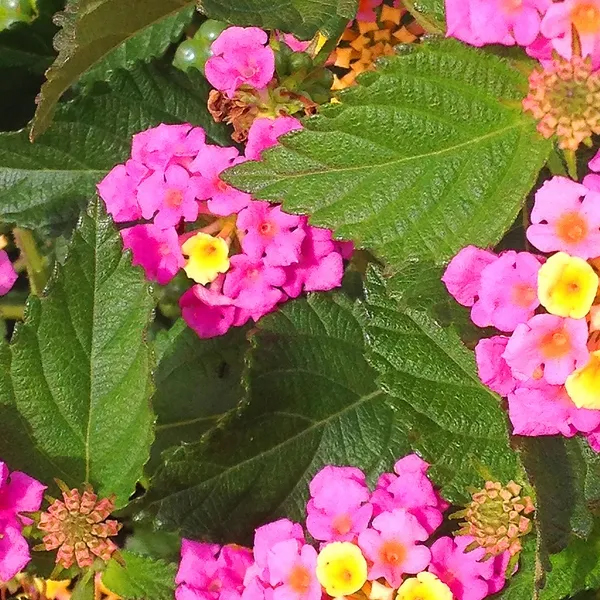
Invasive plant species are among the most serious and least visible threats to India's forests. Unlike poaching or deforestation, invasive species spread quietly — colonising forest floors, suppressing native seedlings, altering soil chemistry, and reducing the structural complexity that wildlife depends on. In the Western Ghats, species like Lantana camara, Senna spectabilis, Clidemia hirta, Eupatorium and milkweed have established themselves across vast areas of protected forest. Their removal requires sustained, physical effort — cutting, debarking, uprooting — carried out repeatedly over years. There is no shortcut.
-
Restoration Camps
-
Completed
Eco-Restoration at Wayanad Wildlife Sanctury
Tholpetty September 4–6, 2026
Earthings Nature Foundation conducted a two-day eco-restoration programme at Anakoodu, Periyar Tiger Reserve, focusing on the removal of Chromolaena odorata (Eupatorium odoratum). With 20 participants contributing 180 man-hours, approximately 1.6 acres of habitat were restored.
-
Completed
Eco-Restoration at Periyar Tiger Reserve
Thekkady October 2-4, 2026
Earthings Nature Foundation conducted a dedicated eco-restoration camp at Tholpetty, focusing on the removal of invasive plants and restoration of degraded forest habitats. Volunteers worked alongside the Forest Department to support habitat recovery and strengthen long-term conservation efforts.
-
Scheduled
Eco-Restoration at Wayanad Wildlife Sanctury
Tholpetty November 21-23, 2026
Join Earthings Nature Foundation for our upcoming eco-restoration camp at Tholpetty, dedicated to removing invasive plant species and supporting the recovery of native forest habitats. Together with the Forest Department, volunteers will take part in meaningful hands-on restoration work to help protect and regenerate this precious forest ecosystem.
-
Scheduled
Eco-Restoration at BhoothathanKettu
Tholpetty November 1, 2026
Join Earthings Nature Foundation for our upcoming eco-restoration camp at Bhoothathankettu,focusing on the removal of invasive plants and restoration of degraded forest habitats.
Restoration Sites
-
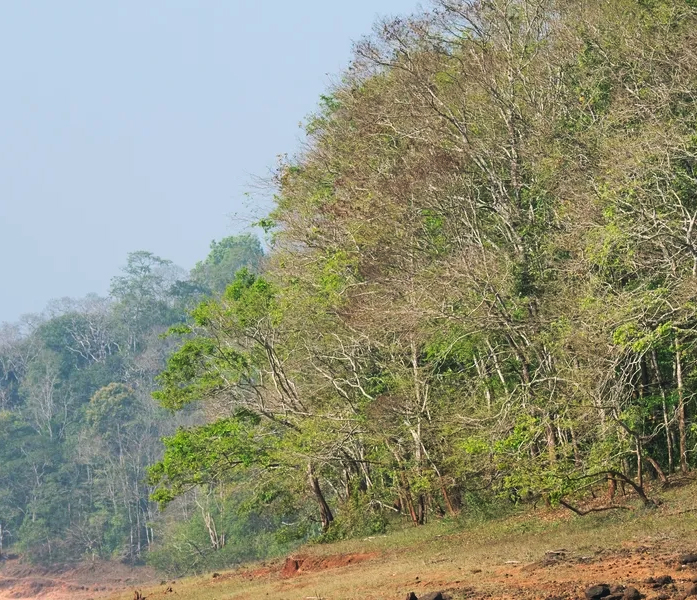 Tiger Reserve · UNESCO World Heritage Buffer Zone
Periyar Tiger Reserve
Vallakadavu & Thekkady, Idukki District
Periyar Tiger Reserve is one of India's most significant protected areas — a 925 sq km reserve in the Cardamom Hills of the Western Ghats, home to tigers, elephants, gaur, leopards and an extraordinary diversity of bird and plant life. The reserve's forests are under sustained pressure from invasive species, particularly in areas bordering human settlements and along forest edges.
ENF's restoration work in Periyar focuses on the systematic removal of Clidemia hirta, Lantana camara, Eupatorium, milkweed and other invasive species that have colonised the forest understorey. Clidemia hirta — a dense, fast-spreading shrub from Central America — is particularly problematic in Periyar's moist forest zones, forming impenetrable thickets that prevent native seedling establishment.
Target species
Restoration camps at Periyar are conducted in the Vallakadavu and Thekkady ranges, under the supervision of the Kerala Forest Department.
-
Tiger Reserve · Biodiversity Heritage Site
Parambikulam Tiger Reserve
Palakkad District
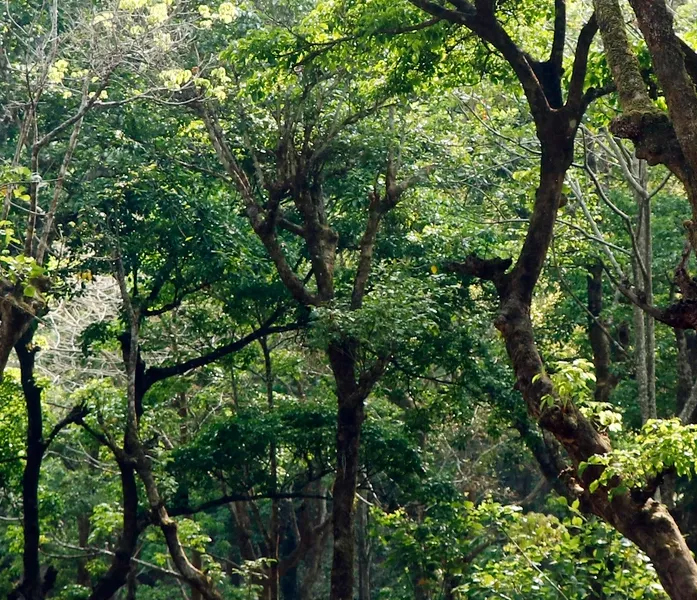
Parambikulam Tiger Reserve covers 391 sq km of the Anamalai Hills in Palakkad District — one of the best-protected forests in India, with exceptionally high biodiversity and a relatively intact ecosystem. The reserve contains some of the oldest teak plantations in the world alongside rich natural forest.
ENF's work at Parambikulam combines invasive species removal with brushwood check dam construction. Check dams — small structures built from cut invasive vegetation — are placed across seasonal streams and drainage channels to slow water flow, reduce soil erosion, retain moisture and improve conditions for native forest regeneration. This technique addresses both the invasive species problem and the secondary effects of forest degradation.
Target species
Parambikulam camps involve both invasive species removal and practical soil conservation work — brushwood dam construction along forest drainage lines.
-
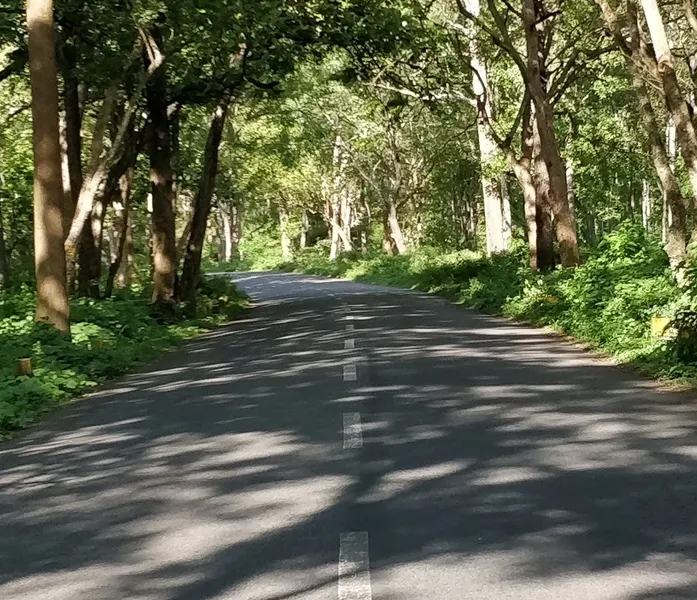 Wildlife Sanctuary · Part of Nilgiri Biosphere Reserve
Tholpetty, Wayanad Wildlife Sanctuary
Wayanad District
Wayanad Wildlife Sanctuary is part of the Nilgiri Biosphere Reserve — a contiguous forest landscape spanning Kerala, Karnataka and Tamil Nadu that represents one of the largest protected forest areas in South Asia. The Tholpetty range in northern Wayanad is a critical wildlife corridor connecting Nagarhole and Bandipur to the north with Mudumalai and the Nilgiris to the east.
ENF's restoration work at Tholpetty focuses on the management of Senna spectabilis — a fast-growing tree from South America that has spread aggressively through parts of the Wayanad forest, forming dense monoculture stands that exclude native vegetation. Removal involves cutting, debarking and uprooting, combined with Eupatorium clearance to open the forest floor for native regeneration.
Target species
Wayanad camps are conducted in the Tholpetty range, one of the most important wildlife corridors in the Nilgiri Biosphere Reserve.
Restoration Methods
-
01
Cutting & Debarking
For woody invasive species like Lantana and Senna, cutting at the base and removing bark from the stump prevents resprouting. This is the primary removal method for established shrubs and small trees.
-
02
Uprooting
Smaller invasive plants — Clidemia hirta, Eupatorium, milkweed — are removed by uprooting, ensuring the root system is fully extracted to prevent regrowth.
-
03
Brushwood Check Dams
Cut invasive vegetation is repurposed as brushwood check dams — structures placed across drainage lines to slow water flow, reduce erosion and retain soil moisture. Used primarily at Parambikulam.
-
04
Repeated Intervention
Invasive species removal is not a one-time activity. Effective restoration requires repeated camps over multiple seasons to prevent reinvasion and allow native species to establish.
Join the Work
ENF's restoration camps are open to volunteers who are physically fit, committed to conservation, and prepared for demanding fieldwork.